Einleitung
The transition from home to kindergarten or preschool is one of the most important milestones in a child’s early years. For many children, it marks the first time they spend significant hours away from their parents, learning and playing in a structured environment. Parents often ask: “Is my child really ready for preschool?”
The truth is that readiness is not about knowing how to read, write, or solve math problems. Instead, it is about essential life skills—social, emotional, communication, motor, and self-help skills—that help children adapt confidently to their new environment. By focusing on these areas before your child starts school, you can ensure a smoother, happier, and more successful transition.
Social and Emotional Skills
Children entering preschool need the ability to interact with peers, manage emotions, and build relationships. These skills form the foundation of future learning and cooperation.
Key skills include:
-
Saying goodbye without extreme distress.
-
Taking turns and sharing toys.
-
Showing empathy toward others.
-
Expressing feelings in appropriate ways.
How to practice at home:
-
Organize short playdates to encourage sharing and group activities.
-
Use storybooks that explore emotions, helping children name and understand their feelings.
-
Play role-play games such as “teacher and student” or “shopkeeper and customer” to teach social behavior.
Communication and Language Skills
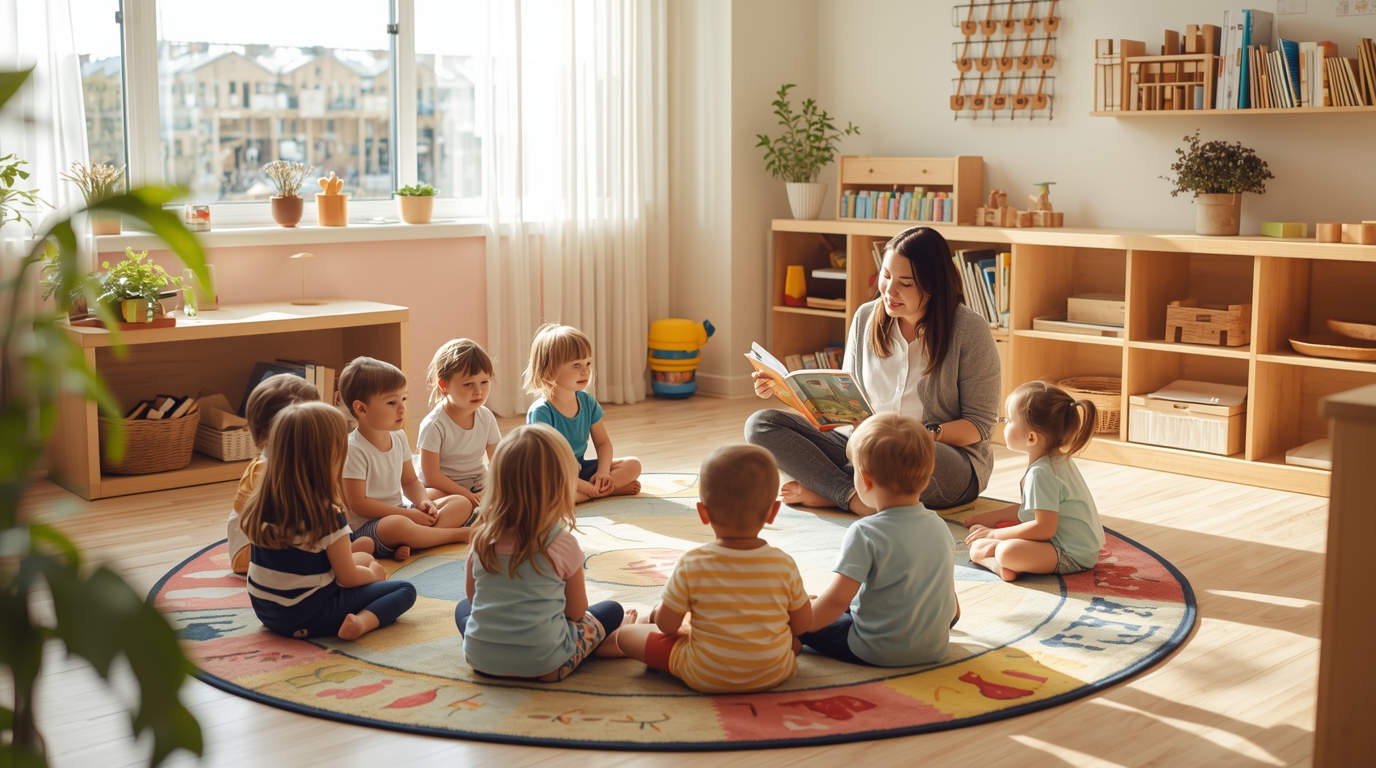
Strong communication helps children express needs, ask questions, and understand teachers. Preschoolers should not speak perfectly, but they should be able to engage in simple conversations.
Key skills include:
-
Understanding and following two- or three-step directions.
-
Using short sentences to express wants and needs.
-
Recognizing and naming common objects, colors, and shapes.
-
Listening attentively to a story.
How to practice at home:
-
Read aloud daily, asking open-ended questions like, “What do you think happens next?”
-
Sing songs and nursery rhymes to strengthen vocabulary and memory.
-
Narrate daily routines (“Now we’re putting on shoes”) to connect words with actions.
Cognitive and Problem-Solving Skills
Cognitive development includes early math and reasoning skills, as well as curiosity about the world. While academic knowledge is not required, children should be able to think, explore, and problem-solve.
Key skills include:
-
Identifying shapes, numbers up to 10, and basic colors.
-
Sorting objects by size or type.
-
Completing simple puzzles.
-
Asking “why” and “how” questions.
How to practice at home:
-
Provide puzzles and building blocks to develop problem-solving skills.
-
Encourage sorting activities, like grouping socks by color.
-
Play memory games to strengthen focus and recall.
Motor Skills (Gross and Fine)
Gross Motor Skills
Gross motor skills involve large muscle movements. Preschoolers need to climb, run, and jump confidently.
Examples:
-
Running safely without frequent falls.
-
Climbing stairs without support.
-
Kicking and throwing a ball.
Fine Motor Skills
Fine motor skills support writing, art, and self-help tasks.
Examples:
-
Holding a crayon or pencil.
-
Using child-safe scissors.
-
Building with blocks.
-
Feeding themselves with a spoon or fork.
How to practice at home:
-
Organize outdoor play: running, hopping, skipping.
-
Provide craft activities: drawing, cutting, painting.
-
Introduce small household tasks, like stirring batter or buttoning shirts.
Self-Help and Independence Skills
Preschool teachers expect children to manage some tasks independently. Building self-reliance not only supports learning but also boosts confidence.
Key skills include:
-
Using the toilet and washing hands without help.
-
Dressing themselves, including zippers and buttons.
-
Feeding themselves and opening lunch containers.
-
Cleaning up toys after playtime.
How to practice at home:
-
Create routines where the child chooses clothes, washes hands, or sets the table.
-
Celebrate small achievements to motivate independence.
Preparing for Separation from Parents
Separation anxiety is normal, but it can make the first weeks of preschool difficult. Preparing children emotionally is essential.
Tips for easing separation:
-
Practice short separations at a relative’s house or daycare.
-
Create a goodbye ritual—a hug, a wave, or a short phrase.
-
Provide a comfort object, like a small toy or family photo.
-
Remind your child that you will always come back.
Collaboration Between Parents and Teachers
Smooth transitions happen when parents and teachers work as a team.
How to strengthen this partnership:
-
Share your child’s strengths, routines, and challenges with teachers.
-
Attend orientation sessions and parent meetings.
-
Communicate regularly through notes, emails, or quick conversations.
This collaboration builds trust and ensures that both home and school environments support the child consistently.
Common Challenges and Practical Solutions
Challenge 1: Separation Anxiety
Solution: Start practicing separations early, use comforting routines, and maintain consistency.
Challenge 2: Limited Language Skills
Solution: Engage in daily conversations, read books, and encourage storytelling.
Challenge 3: Lack of Independence
Solution: Introduce self-help tasks gradually and let children practice daily.
Challenge 4: Social Conflicts with Peers
Solution: Teach simple phrases like “Can I play too?” or “Let’s take turns.”
Daily Routine Ideas for Parents
Consistency builds confidence. A balanced routine helps children adjust to preschool schedules.
Sample routine:
-
Morning: Wake up, dress, eat breakfast, brush teeth.
-
Midday: Storytime, outdoor play, quiet rest.
-
Afternoon: Creative activities like drawing or building blocks.
-
Evening: Family dinner, bath, bedtime story.
This structure mimics preschool schedules and prepares children for smoother adjustment.
The Role of Parents in Smooth Transition
Parents are the child’s first teachers. Your attitude strongly shapes how your child views preschool.
How parents can help:
-
Talk positively about preschool, emphasizing fun and new friends.
-
Visit the classroom together before the first day.
-
Stay calm and confident during drop-off—children sense parents’ emotions.
-
Encourage resilience by celebrating effort, not perfection.
Fazit
Preparing your child for kindergarten or preschool is less about academics and more about life skills that build confidence, independence, and social readiness. By focusing on social-emotional growth, communication, problem-solving, motor skills, and self-help habits, you create a strong foundation for success.
When parents and teachers work together, children adjust more easily and thrive in their new environment. With encouragement, patience, and consistent routines, your child can take this exciting step with joy and confidence.