Introduction
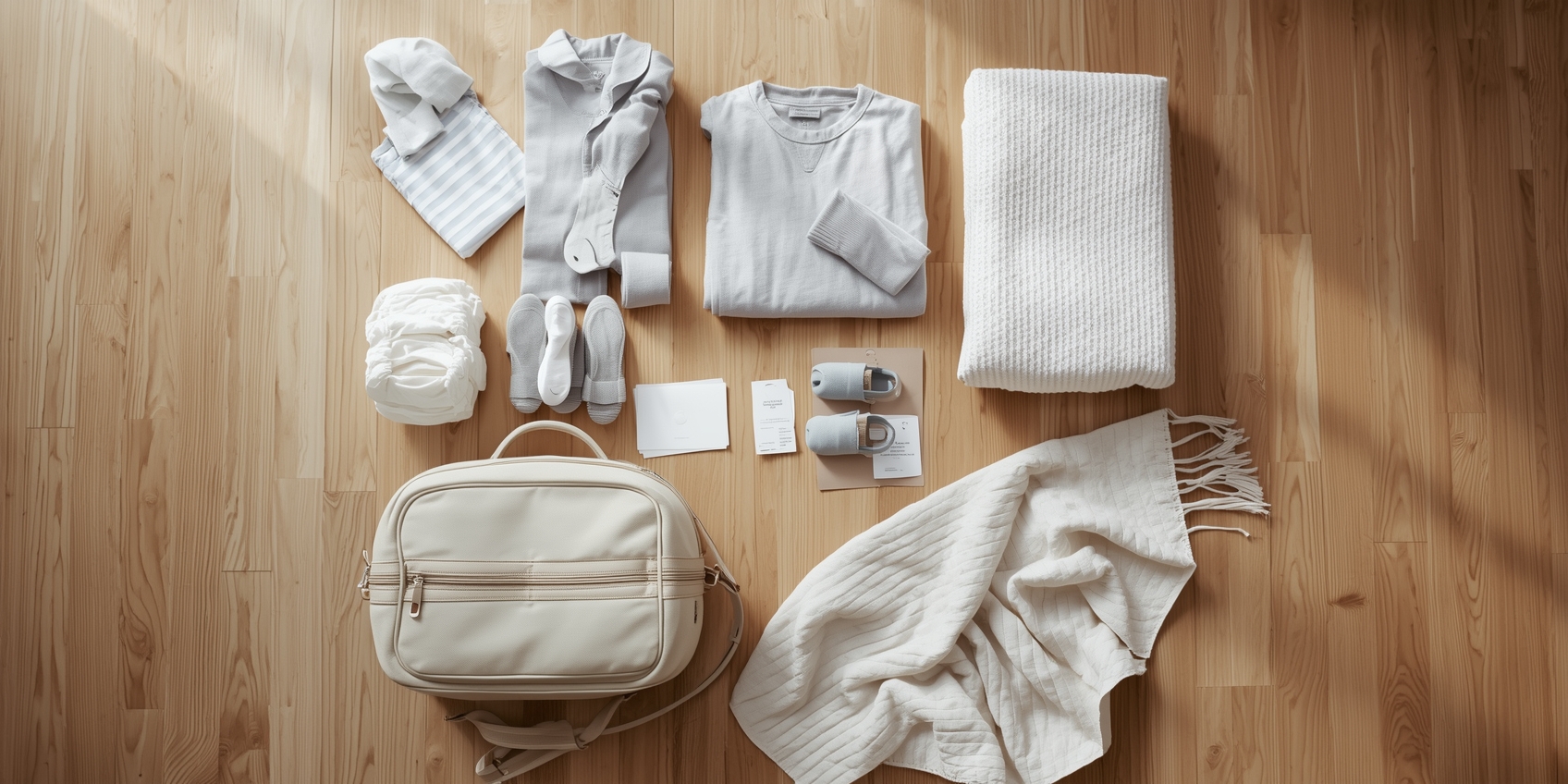
Preparing for childbirth is both exciting and overwhelming, especially for parents who want everything ready before labor begins. One of the most practical ways to reduce stress is to pack your hospital bag well in advance. In Estonia, maternity hospitals (sünnitusmaja) provide many essentials, but not everything. Therefore, having a clear hospital bag checklist is essential for a smooth and comfortable experience. This guide, based on recommendations from Estonian doctors and the World Health Organization (WHO), will walk you through what to pack for yourself, your baby, and your partner, as well as cultural insights and practical shopping tips for parents living in Estonia.
Why Packing Matters in Estonia
Unlike some countries where hospitals provide almost everything, Estonian hospitals expect parents to bring a number of personal items. For example, while diapers and formula may be available in small quantities, parents are generally responsible for bringing their own supply. Hospitals in Tallinn, Tartu, and Pärnu may differ slightly in what they provide, but the general principle is the same: the more prepared you are, the more comfortable your stay will be. Packing early (around week 35–36 of pregnancy) ensures that you are not rushed if labor begins earlier than expected. It also helps partners avoid last-minute shopping stress.
Hospital Bag Checklist for Mothers
1. Documents and Essentials
ID card or passport (for registration at the hospital)
Health insurance card (if applicable)
Pregnancy record book (Rasedakaart)
Why it matters: Estonian hospitals require official documentation upon admission. Without it, processing may be delayed.
2. Clothing
Comfortable nightgown or pajamas (preferably front-opening for breastfeeding)
Warm socks and slippers (hospital floors can be cold)
Nursing bras and breast pads
Loose, comfortable going-home clothes
Tip: Estonian winters are long and cold, so if you deliver in winter, make sure to pack warm layers for discharge day.
3. Toiletries
Toothbrush, toothpaste, shampoo, body wash
Hairbrush, hair ties
Lip balm and moisturizer (hospital air can be dry)
Maternity pads (hospitals provide limited supplies)
4. Postpartum Needs
High-waist underwear or disposable briefs
Nursing pillow (optional but very useful)
Snacks and a water bottle
Phone charger with long cable
Hospital Bag Checklist for the Baby
1. Clothing
2–3 sets of bodysuits (size 50–56 for newborns)
Warm hat, mittens, and socks
Baby blanket or sleeping bag
Going-home outfit (seasonal: fleece suit for winter, lighter layers for summer)
Estonia-specific note: Newborn clothes in local stores (such as Kaubamaja, Prisma, and BabyCity) often run small, so buying one size larger (56–62) is a safe choice.
2. Hygiene Items
Newborn diapers (at least 20 pieces for a short stay)
Wet wipes and cotton pads
Baby cream or lotion for sensitive skin
3. Feeding Supplies (if needed)
Most Estonian hospitals encourage breastfeeding, but if you plan to formula feed, bring your chosen formula and bottles.
Checklist for the Partner
Often overlooked, partners also benefit from being prepared. Their role is not only emotional but also practical.
Comfortable clothes and slippers
Snacks and drinks (hospital cafeterias may have limited hours)
Camera or phone for photos
Charger or power bank
List of contacts for birth announcements
Tip: Some hospitals allow partners to stay overnight; check in advance and prepare accordingly.
Local Shopping Guide in Estonia
If you are new to Estonia, you may wonder where to find these essentials. Here are some reliable places:
Apotheka and Benu Pharmacies: maternity pads, toiletries, baby creams
Prisma, Selver, Rimi supermarkets: baby wipes, diapers, snacks
BabyCity/ToyCity and Juku: baby clothes, feeding items, blankets
E-selver and Barbora online shops: for home delivery if you prefer not to shop in person
Postpartum and Home Preparation
Packing for the hospital is only half the journey. Once you return home, you will need extra diapers and baby clothes, nursing-friendly meals (many Estonian families prepare freezer meals ahead of time), a comfortable resting space for the mother, and ideally a support system: arrange help from friends or relatives if possible. The WHO emphasizes the importance of postpartum care, including mental well-being. In Estonia, midwives (ämmaemandad) often provide home visits during the first week after discharge, giving advice on breastfeeding, baby care, and recovery.
Cultural Notes for Foreign Parents in Estonia
Language: Most hospital staff in Tallinn and Tartu speak English, but in smaller towns, Estonian or Russian may be more common. Learning a few basic words in Estonian (such as “rasedus” = pregnancy, “laps” = baby) can be helpful.
Hospital Stay Length: Typically 2–3 days for uncomplicated vaginal births, 4–5 days for C-sections.
Partner Involvement: Estonia strongly supports partner participation during labor.
Practical Packing Tips
Use separate bags: one for mother, one for baby, and one for the partner.
Label small bags (toiletries, snacks, documents) for easy access.
Keep the hospital bag in the car or by the entrance of your home once you reach week 36.
Conclusion
Packing a hospital bag for childbirth in Estonia requires thoughtful preparation. While hospitals provide some essentials, most personal and baby items must be brought from home. By following this checklist—based on both WHO standards and Estonian hospital practices—you can feel more confident, organized, and ready for the big day.
FAQs about Pregnancy Hospital Bag Checklist in Estonia
Q: When should I pack my hospital bag in Estonia?
A: It is best to start packing around week 35–36 of pregnancy. This way, you are ready if labor begins earlier than expected and avoid last-minute stress.
Q: Do Estonian hospitals provide diapers and baby clothes?
A: Some hospitals may offer limited items, but parents should bring their own diapers, baby clothes, and blankets. Packing enough for 2–3 days is recommended.
Q: What documents are required for hospital admission?
A: You need your ID card or passport, health insurance card (if applicable), and your pregnancy record book (Rasedakaart). Having these ensures smooth registration.
Q: Can my partner stay with me at the hospital?
A: Yes, most hospitals in Estonia allow partners during labor, and some even allow overnight stays. Always check your chosen hospital’s policy in advance.
Q: Where can I buy maternity and baby essentials in Estonia?
A: Essentials are available at pharmacies like Apotheka and Benu, supermarkets like Prisma and Selver, baby stores such as BabyCity/ToyCity, and online platforms like E-Selver and Barbora.